 If you have just purchased a house, you want your new home to be perfect. Buying furniture, painting, and decorating to make your living space as welcoming and comfortable as possible are all obvious steps to settling into your new home. But while you’re becoming acquainted with your house, you may not realize that you’ve inherited an animal infestation. If you’ve bought a house recently or are looking to buy one, ABC Wildlife suggests that you follow these tips to make sure the property is safe and not in need of pest proofing.
What to Look for in Your New Home
Check the attic insulation: Raccoons, squirrels, and mice are all common attic invaders, and they leave behind evidence of their presence in the insulation. Check for insulation that has been torn, burrowed through, or moved. Raccoons and squirrels will create nests out of the material, and mice will dig tunnels. Also, look for droppings or areas that have been heavily soiled. Squirrels and mice will leave their feces and urine throughout the attic, where raccoons will designate specific latrine areas. If it’s clear that animals have been living in your attic, insulation replacement is absolutely essential for the health and well-being of your family.
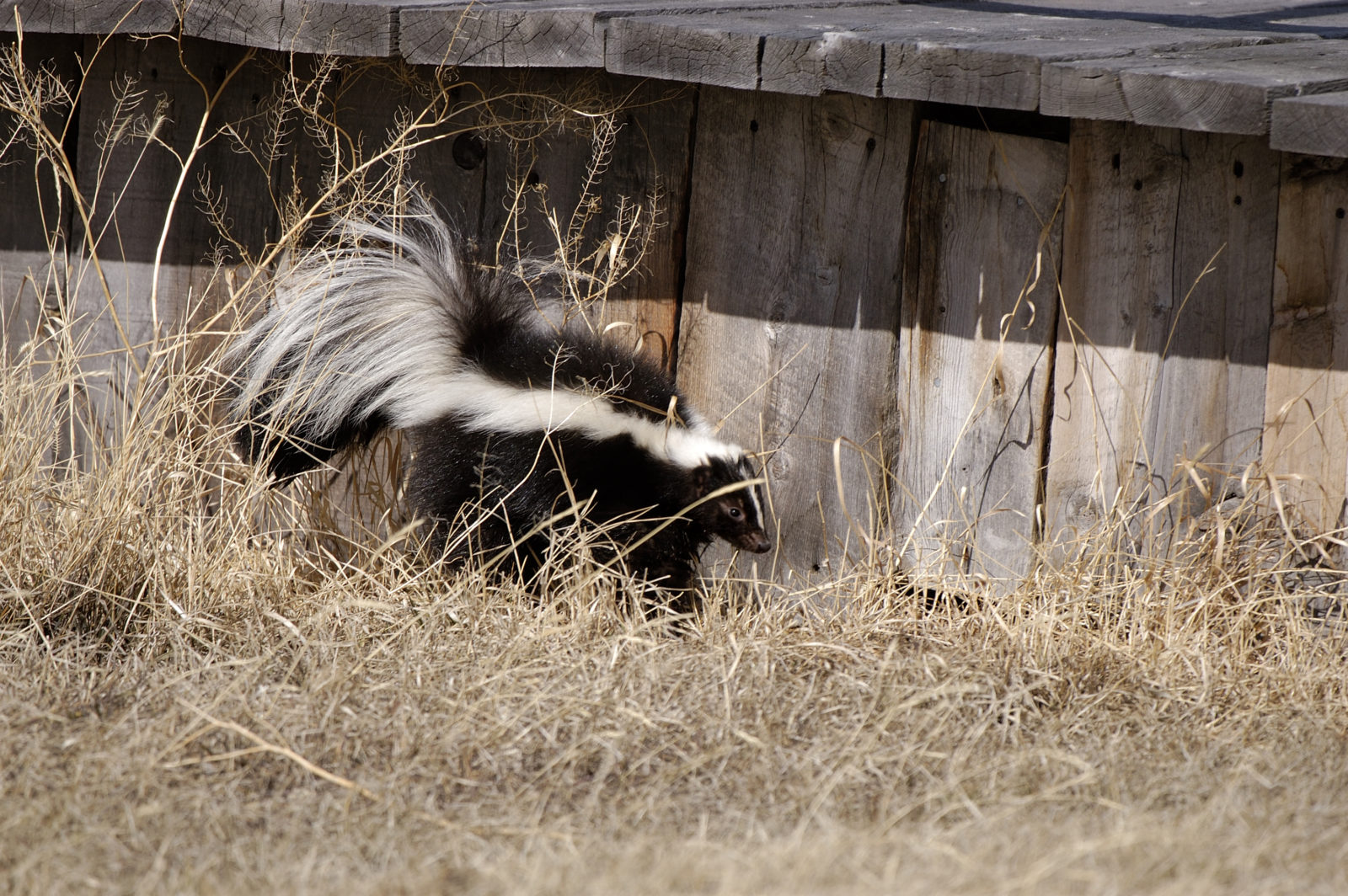
Look under decks, stoops, porches, and sheds: Burrowing animals like skunks, raccoons, and opossums favor secure, enclosed areas beneath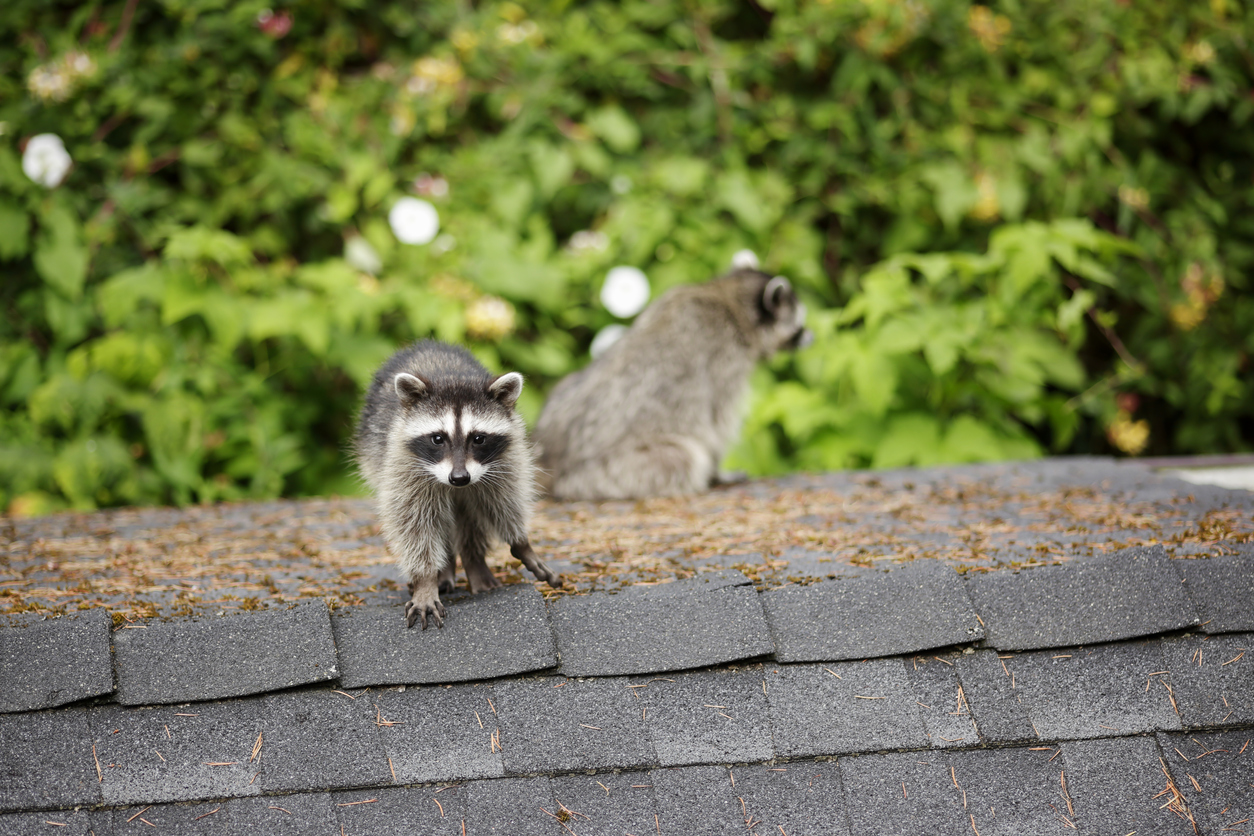 structures. Underneath porches, decks, stoops, sheds, and houses are typical areas for animals to build their dens. New homeowners should look for places around these structures where holes have been dug out. Even if there is no longer a wildlife presence there, certain species will inhabit the abandoned den of another animal. For this reason, it is very important to animal-proof these areas to avoid a future wildlife problem.
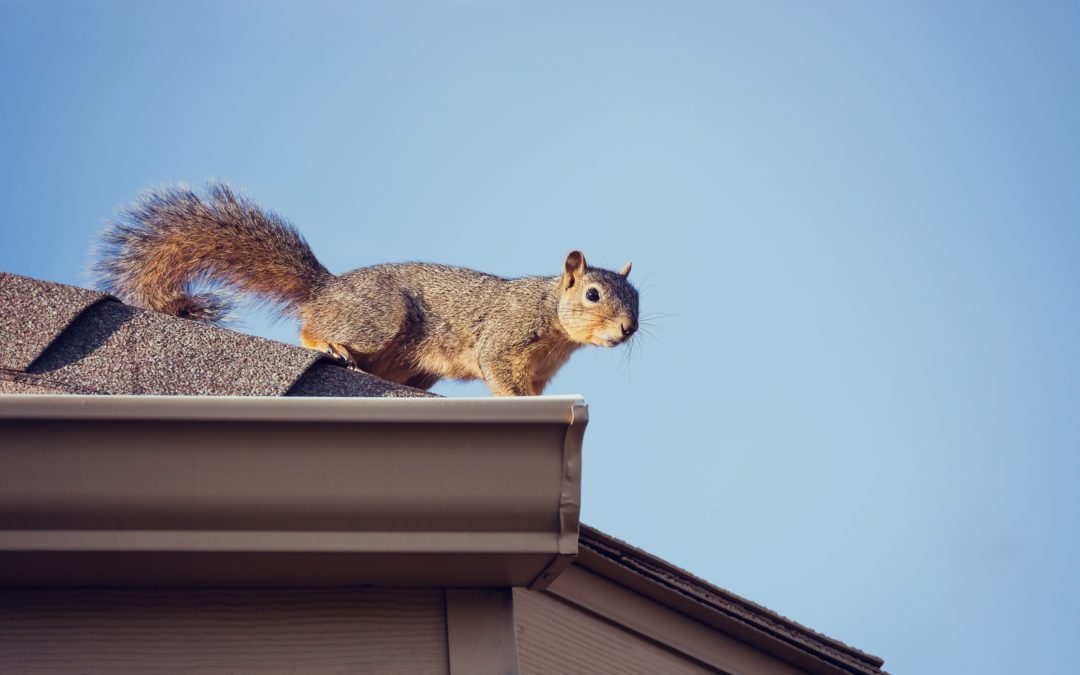
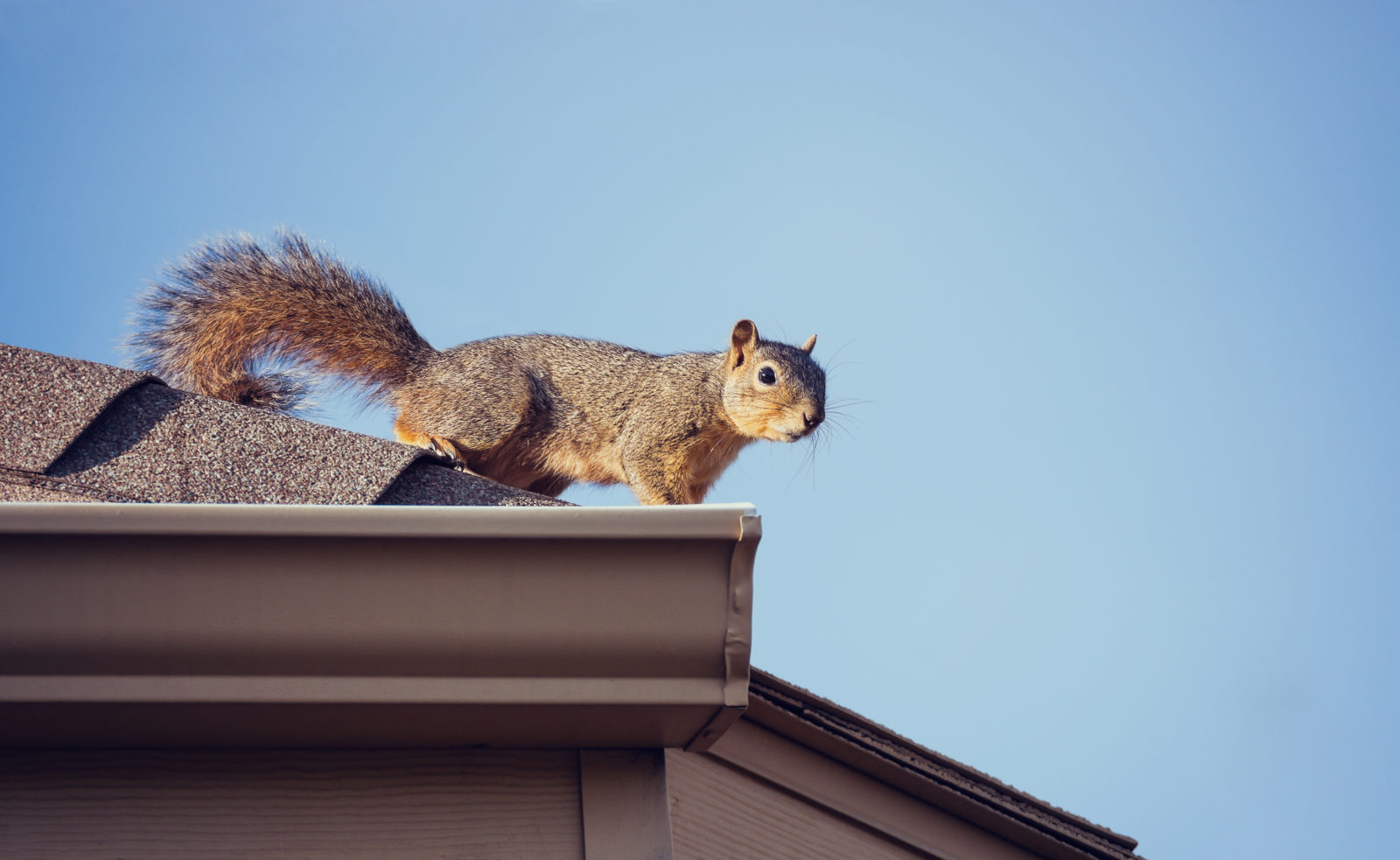
Examine the roof: If you’re looking to buy a home, walk around the perimeter of the house, and take a close look at the roof. Do you notice any damage? Ripped or chewed shingles, holes, and mangled or displaced vents are all indications of an animal breach. Raccoons are incredibly strong and able to claw their way through roofing or bend metal vents in order to access an attic space. Squirrels use their powerful teeth to chew baseball-sized holes in roofs. Also, be sure to look for areas where the wood may be rotted or weakened. Even if there isn’t a current wildlife problem, attic-dwelling animals will target vulnerable material since it is much easier to chew through, so it is important to repair those sections of the roof immediately. Also, if you notice any stinging insect nests hanging from your eves as you do your roof inspection, bee, wasp, and hornet removal may be necessary to keep you and your family safe. In addition to roof damage, be sure to observe any gable vents or existing holes for oily, gray, smudgy markings or a buildup of guano. Both of these may be a sign of a bat control
Check gutters and downspouts: Downspouts are a very common means for raccoons to access a roof. Inspect the gutter system on the exterior of the house for smudges, muddy footprints, scratches, and dents. These can all be signs that an animal has been using a downspout as their own personal ladder to the attic.
 Explore gaps and holes in the house: Gaps between the siding and foundation, cracks in the structure, and exhaust vents are all frequent access points for animals trying to get into a home. Pest proofing these areas is crucial in preventing infestations. If you find that the siding is pulling away from the foundation of your new home, it will need to be secured in order to keep wildlife like mice from getting into the house. Any cracks or holes should be sealed, and vents should be furnished with animal-proof caps.
Look for droppings: Just like you checked the attic for animal feces, new and prospective homeowners should examine the rest of the house as well. It is especially important to look along baseboards and in corners for mouse droppings. Open drawers and cabinets to see if you find any evidence that there might be a rodent infestation. Mouse droppings are about the size of a grain of rice and pointed at both ends. It is best to call in a professional to take care of your mouse control problem, but if you find yourself in a situation where you must handle the feces, wear gloves and wash your hands thoroughly before touching your face. Mice carry a number of diseases in their waste material, and proper safety precautions must be taken.
If you notice any of these signs of a wildlife presence in your new home, contact a professional animal and pest management company like ABC Humane Wildlife Control & Prevention. Our entire team of expert technicians is licensed by the State of Illinois to provide the best in animal removal and pest proofing. Since 1976, we have been assisting new homeowners in returning their home to its original pest-free state by using our superior knowledge of animal behavior. We are also fully equipped to restore areas that have been damaged by animals – like attic insulation – and animal-proof your house to prevent future breaches. Call us today at (847) 870-7175.
Leave us a comment to let us know what questions you have about pest proofing homes!
Sharing is caring! If you’ve learned something from what you’ve read, please click one of the icons below to share this post on social media.
 Vito Brancato is a wildlife specialist and educator with over 15 years of animal and pest management experience. He is a certified Wildlife Control Operator through the National Wildlife Control Operators Association and belongs to the National Pest Management Association and the Illinois Pest Control Association. He is an avid beekeeper and nature enthusiast.