
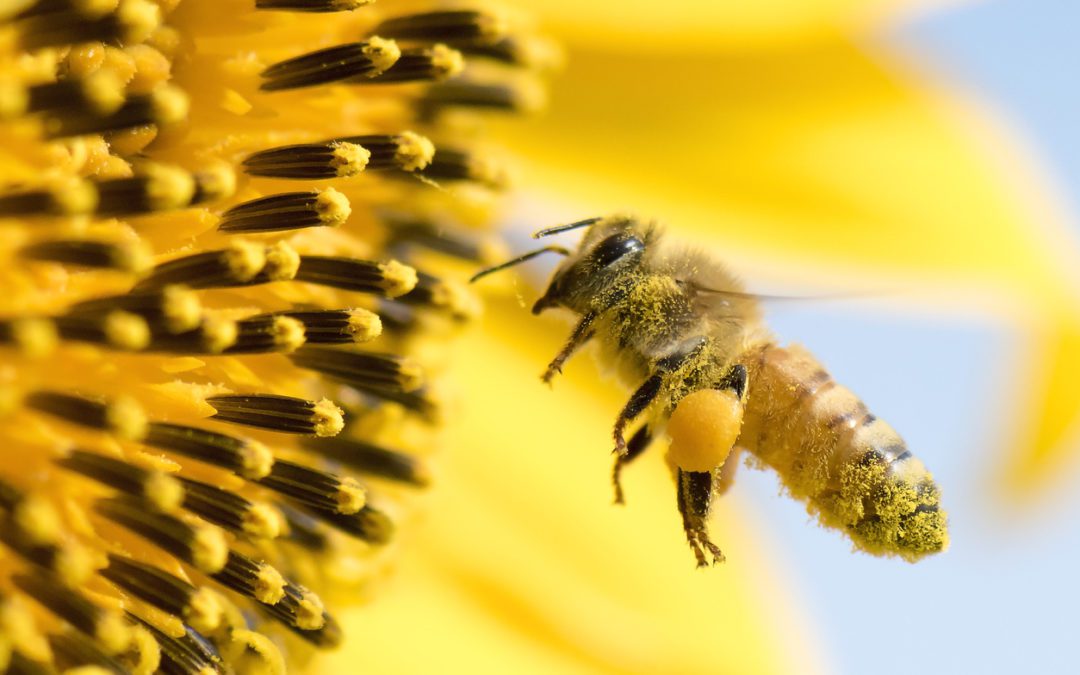
It’s the time of year where we’re beginning to get honey bee removal questions from our clients. What is it about our homes that is so appealing to honey bees? Honey bees are cavity-dwelling insects, particularly in this part of the country where seasonal temperatures can differ so drastically. Unlike bald-faced hornets who surround their nests with a protective layer, bees depend upon the shelter of enclosed spaces to protect their hives. This keeps their queen as far away from harm as possible and protects eggs and larvae. Constructing their hive in a confined area also aids in temperature regulation, which is vital to the survival of a colony, especially through late winter. In the wild, these cavities are generally hollowed-out trees or rock formations, but in urban and suburban areas, honey bees may find the void area between walls, floors, or inside porch posts appealing.
How do I know if I have a honey bee problem?
If you notice a sudden spike in bee sightings on your property, there are a couple of possible causes to consider.
Bees on the move – When hives become overpopulated or the colony becomes ill, a group of bees will separate to scout out a place to establish a new hive. This is what is called swarming behavior, and it is usually temporary as the bees are in transit. Honey bee removal is rarely necessary in this instance.
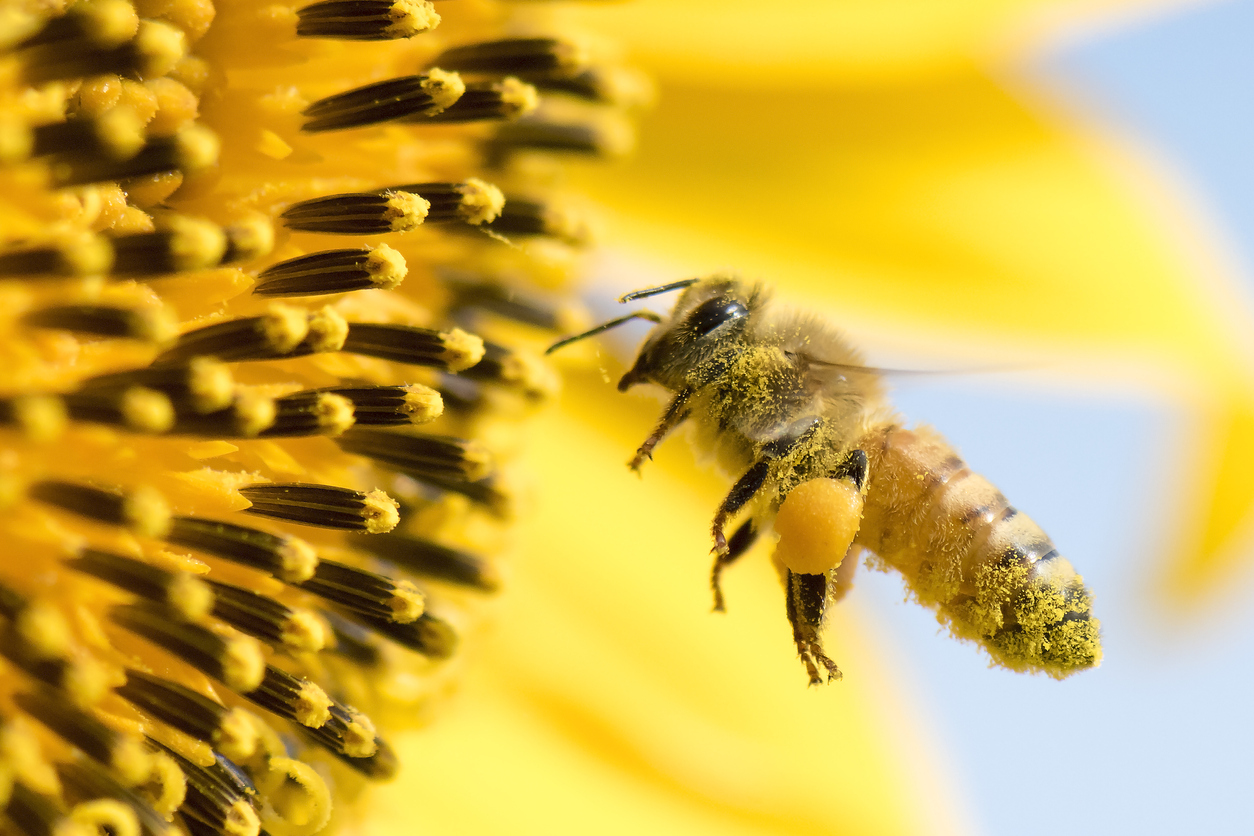 Bees on your property – If the activity is continual and doesn’t die down after a few days, try to observe where the bees are coming and going from. Do you see increased “airport activity” in any specific area? Is this a location that is out of the way or near enough that it will pose a danger to people? Colonies living far enough back on your property that they are unlikely to come into contact with humans are best left alone. Bees are a wonderful asset to the environment, and their numbers are fewer and fewer each year, so we want to do everything we can to protect them. Hives that have been built inside a structure will need to be extracted by a honey bee removal specialist. Though bees aren’t as aggressive as other stinging insect species, they will still attack when provoked, which may induce deadly allergies in some people.
Who can I call for honey bee removal help?
ABC Wildlife employs a team of experienced honey bee removal experts who are able to safely extract the colony from your home or business and relocate it to a secure, hospitable environment. Once the bees are gone, we can remediate the damage caused by their presence as well as prevent the problem from reoccurring by treating areas most likely to see repeat activity. Schedule an appointment with one of our knowledgeable representatives today at (847) 870-7175.
Sharing is caring! If you’ve learned something from what you’ve read, please click one of the icons below to share this post on social media.

Karen Jesse is a wildlife writer and educator licensed by the Illinois Department of Natural Resources and the Illinois Department of Public Health in urban wildlife management and structural pest control. She enjoys hiking, telling people how cool skunks are, and opera.